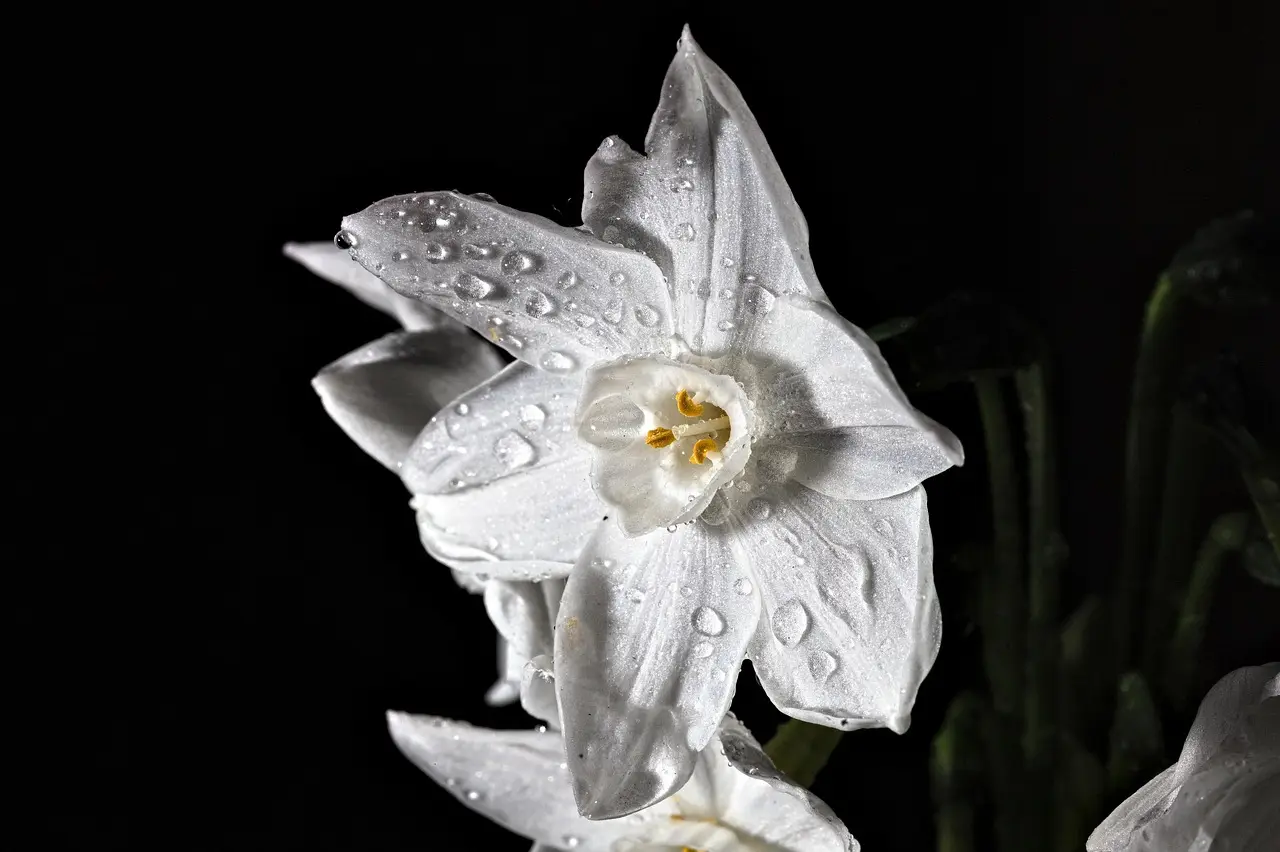
When to Plant Paperwhites for Christmas for Holiday Blooms
Quick answer
Paperwhites take between 4 and 6 weeks to bloom after planting indoors. If you want to know when to plant paperwhites for Christmas, target the window between November 10 and November 25. Planting during mid-November ensures your bulbs produce bright, fragrant blossoms right in time for Christmas celebrations.
Key takeaways
- Plant paperwhite bulbs between November 10 and November 25 for Christmas blooms.
- Paperwhites take 4 to 6 weeks from potting to flowering under indoor conditions.
- Bulbs can be grown in potting soil, gravel, or decorative pebbles with water.
- Warm indoor room temperatures speed up growth, while cooler spots slow it down.
- Paperwhites are toxic to dogs and cats, so keep pots out of reach of household pets.
Quick facts
| Ideal Planting Window | November 10 – November 25 |
|---|---|
| Time to Bloom | 4 to 6 weeks after potting |
| Outdoor USDA Zones | Zones 8–11 (Forced indoors in Zones 3–11) |
| Light Requirement | Bright, direct to indirect sunlight |
| Watering Need | Keep water level just touch bulb bases |
| Pet Toxicity | Toxic to dogs, cats, and horses |
When to Plant Paperwhites for Christmas: The Ideal Timeline
Knowing when to plant paperwhites for christmas is the secret to getting pristine white, fragrant blossoms on your holiday table. Paperwhites (Narcissus tazetta) generally take 4 to 6 weeks to mature from bare bulbs into full flowering stems. For most US households, the ideal window to set your bulbs in soil or water is between November 10 and November 25.
Unlike spring-flowering bulbs such as tulips or daffodils, paperwhites do not require a mandatory chilling period in the refrigerator before planting. They are warm-climate tazetta daffodils native to the Mediterranean, which means they react immediately to moisture and warm indoor room temperatures. Once you place them in water or potting soil, root growth begins within a few days.
Determining Your Exact Start Date
To hit peak bloom on Christmas Eve or Christmas Day, use this general planning timeline based on average indoor temperatures:
- Warm Homes (70°F or warmer): Plant between November 20 and November 25. Higher indoor temperatures accelerate growth, causing flowers to open in roughly 4 weeks.
- Moderate Homes (65°F to 68°F): Plant between November 12 and November 18. Standard home temperatures yield blooms in about 5 weeks.
- Cooler Rooms or Drafty Areas (60°F to 64°F): Plant between November 5 and November 10. Lower temperatures slow down shoot development, extending the process to 6 weeks.
If you prefer a long display that stretches from mid-December through New Year’s Day, consider staggered plantings. Set out one batch of bulbs during the second week of November and a second batch ten days later.
Factors That Impact Paperwhite Growth and Bloom Timing
While 4 to 6 weeks is the standard timeframe, environmental factors in your home directly influence how quickly your bulbs develop. Adjusting these variables gives you better control over your flowering schedule.
1. Room Temperature
Temperature is the single biggest factor governing paperwhite growth rates. Warmer air signals to the bulb that spring has arrived, causing rapid stem elongation. If your bulbs are growing too fast and risk blooming early before Christmas, move the container to a cool room (55°F to 60°F) or a dark closet overnight to slow them down. Conversely, if growth seems stalled in early December, place the container near a warm heat register or on top of a seed-heating mat.
2. Sunlight Availability
During late autumn, daylight hours in the US shorten significantly. Paperwhites require bright, direct sunlight from a south-facing or west-facing window to build strong, compact stems. Inadequate light forces the plants to stretch aggressively toward the nearest window, resulting in weak stems that flop over before blooming.
3. Bulb Quality and Storage
Store unplanted paperwhite bulbs in a cool, dry, dark location with good airflow (around 55°F to 65°F) until you are ready to start them. Do not store them in a sealed plastic bag or inside a refrigerator near fruit, as ripening apples or bananas release ethylene gas that damages flower buds inside the bulb.
Step-by-Step Instructions: When to Plant Paperwhites for Christmas
Once you have selected your start date based on when to plant paperwhites for christmas in your specific living environment, follow these straightforward steps to pot your bulbs.
- Choose a Container: Select a shallow leak-proof bowl, decorative dish, or glass vase that is at least 3 to 4 inches deep. Containers without drainage holes work well if growing in gravel, while pots with drainage holes are best when using potting mix.
- Prepare the Base: Fill the bottom of your container with 2 to 3 inches of pea gravel, decorative river rocks, marble chips, or soil.
- Position the Bulbs: Nestled the paperwhite bulbs closely together on top of the medium, pointed ends facing upward. Pack them tightly so they support one another; they can nearly touch without causing harm.
- Anchor the Bulbs: Add more gravel or soil around the bulbs to stabilize them, leaving the top third of each bulb exposed above the surface.
- Add Water or Moisture: If using gravel, pour water into the vessel until it reaches just below the bottom base of the bulbs. Do not submerge the bulbs directly in water, as this causes rotting. If using potting mix, water thoroughly until evenly moist.
- Place in Light: Put the container in a cool room out of direct sunlight for 3 to 5 days until roots form, then transfer to a sunny windowsill.

Light, Water, and Soil Care for Paperwhites
Paperwhites are low-maintenance plants, but providing proper culture prevents common indoor growing issues like bulb rot and spindly growth.
Light Requirements
As soon as green shoots emerge from the tops of the bulbs, place your dish in the sunniest location available. A south-facing window sill is ideal. Rotate the container 180 degrees every few days so the stems grow upright rather than leaning toward the light source.
Watering Routine
Check the water level every two days. For gravel setups, top off the water level so it stays right at the basal plate (the bottom edge where roots grow). If the water level drops completely dry, root tips will shrivel and delay blooming. For soil setups, water when the top inch of potting soil feels dry to the touch.
Fertilizer and Soil Needs
Paperwhite bulbs store all the energy and nutrients required to bloom inside their fleshy scales. You do not need to apply fertilizer or liquid plant food when forcing paperwhites for indoor winter blooms.
How to Prevent Floppy Stems and Stunted Flowers
The most frequent problem home gardeners face when forcing paperwhites is tall, leggy stems that collapse under the weight of their dense flower clusters. Fortunately, researchers at Cornell University discovered a simple, natural method to keep paperwhites sturdy and short.
The Alcohol Technique for Sturdier Paperwhites
You can stunt stem height by 30 to 50 percent without affecting flower size or scent by using a dilute alcohol solution instead of plain water. Here is how to perform the technique correctly:
- Wait until green shoots grow to about 1 to 2 inches tall using plain water.
- Drain the plain water from your container.
- Mix a 4% to 5% alcohol solution. You can create this by mixing 1 part clear liquor (40% alcohol, such as vodka or gin) with 7 parts water. Alternatively, mix 1 part 70% rubbing alcohol with 10 or 11 parts water.
- Use this dilute solution for all future waterings.
The alcohol creates mild osmotic stress, reducing the amount of water the stems absorb and keeping them compact, rigid, and self-supporting throughout the Christmas holiday.
Pet Safety and Handling Paperwhite Bulbs Safely
Paperwhites belong to the Narcissus genus and contain natural alkaloid toxins, primarily lycorine, as well as microscopic calcium oxalate crystals. These compounds serve as defense mechanisms for the plant in nature, but they present hazards for domestic pets.
Paperwhites are toxic to dogs, cats, and horses. Ingestion of any part of the plant—including the bulb, green leaves, stem, or flowers—can cause severe adverse reactions. Symptoms of pet toxicity include:
- Vomiting and diarrhea
- Excessive drooling (hypersalivation)
- Abdominal pain and lethargy
- Low blood pressure or cardiac arrhythmia (in large quantities)
Keep your paperwhite pots placed high on shelves or mantels where cats and dogs cannot reach them. Additionally, the sap inside paperwhite stems can cause mild skin irritation or contact dermatitis in humans. Wear gardening gloves when handling cut stems or handling multiple bulbs if you have sensitive skin.
What to Do With Paperwhite Bulbs After They Finish Blooming
Once the holiday season ends and the fragrant blossoms fade, clip off the spent flower heads at the top of the stem. Leave the green foliage intact so long as it remains green.
Can You Save Paperwhite Bulbs for Next Year?
Unlike hardy daffodils, forced paperwhites exhaust almost all their stored energy during the indoor blooming process. In USDA hardiness zones 3 through 7, paperwhites are not cold-hardy and will freeze if planted outdoors in the winter ground.
In warm southern climates (USDA zones 8 through 11), you can plant the spent bulbs outdoors in your garden after blooming ends. Choose a sunny garden spot with well-draining soil. The bulbs will take one to two seasons to recover their energy before flowering outdoors in early spring.
For gardeners in northern climates, forced paperwhite bulbs are treated as annuals and discarded in your home compost bin once the foliage turns yellow and dies back.
Frequently asked questions
How long do paperwhites take to bloom indoors?
Paperwhites generally bloom in 4 to 6 weeks when forced indoors at average room temperatures of 65°F to 70°F.
Can you plant paperwhite bulbs in plain water?
Yes, paperwhite bulbs grow easily in a container filled with gravel, pebbles, or glass marbles. Ensure the water level stays just at the base of the bulbs without submerging them.
Why are my paperwhites growing too tall and falling over?
Paperwhites grow tall and floppy when they do not receive enough direct sunlight or when indoor temperatures are too warm. You can keep stems compact by using a 5% alcohol-water solution after shoots reach 1 to 2 inches high.
Are paperwhites toxic to cats and dogs?
Yes, paperwhites are toxic to cats and dogs. They contain lycorine and calcium oxalate crystals, which cause drooling, vomiting, and stomach distress if ingested.
Do paperwhites need to be chilled before planting?
No, paperwhites do not require a chilling period before planting. They are warm-climate tropical daffodils ready to grow immediately after planting.
Sources & methodology
- Hardiness zones: USDA Plant Hardiness Zone Map.
- For local conditions, check your state’s cooperative extension service.
- Written and reviewed by the Biokies editorial team. Last updated November 16, 2026.
Photo: dexmac / Pixabay
📌 Save this guide for later on Pinterest
 Save