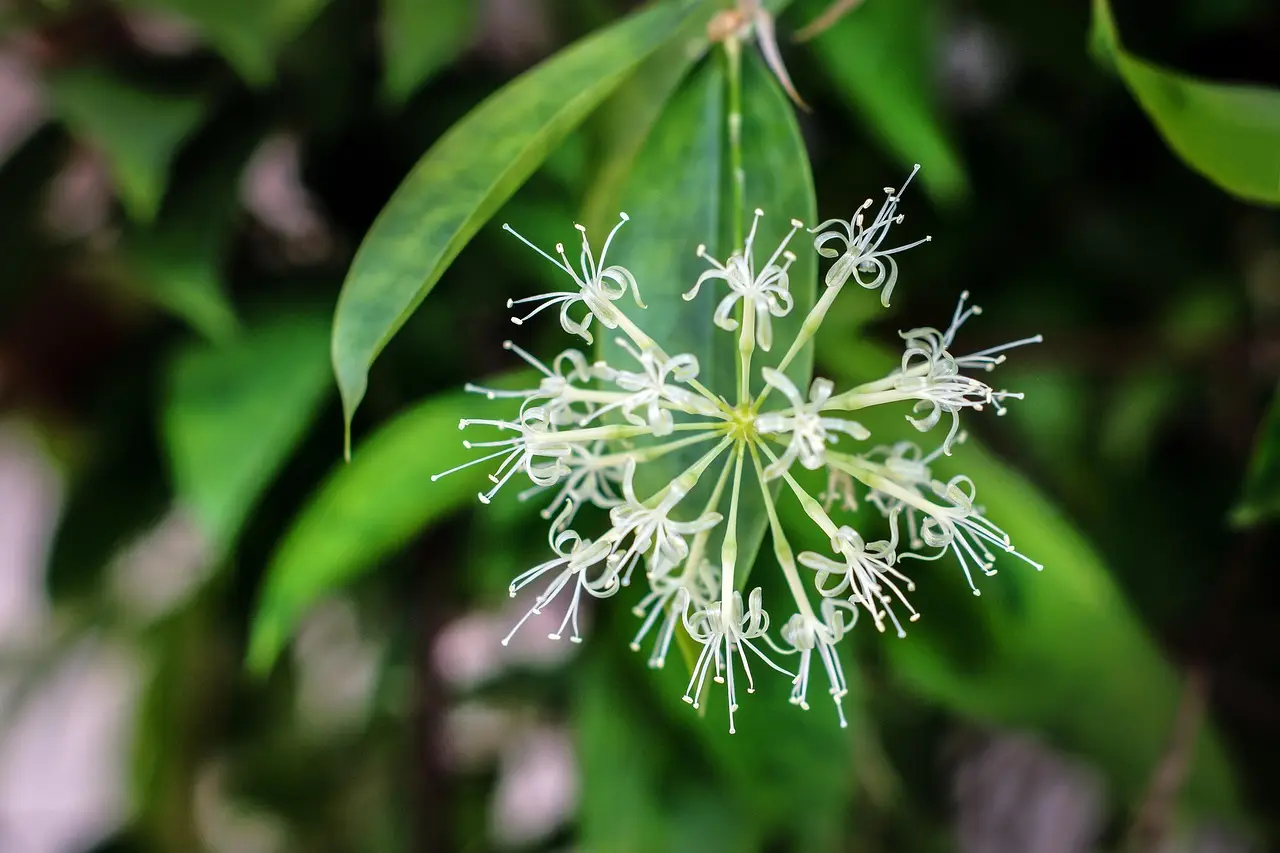
How to Grow and Care for Dracaena Plants
Quick answer
Dracaena care involves providing bright, indirect sunlight with 4 to 6 hours of gentle light near a south-facing window. Water thoroughly every 7 to 10 days, keeping the soil evenly moist without over-watering. Prune stems in spring and fall to maintain a full shape. This low-maintenance, air-purifying tropical perennial is non-toxic to pets and humans.
Key takeaways
- Thrives in part sun to part shade, preferring bright indirect light and up to 4 to 6 hours of direct sun daily.
- Water roughly every 7 to 10 days, allowing soil to dry out slightly between waterings to prevent root rot.
- Hardy outdoors in USDA zones 9 through 12, but functions perfectly as a low-maintenance indoor houseplant.
- Prune twice per year in spring and fall to encourage compact, fuller stem growth.
- Non-toxic to pets and humans, making it a safe choice for household environments.
Quick facts
| Scientific Name | Dracaena sanderiana |
|---|---|
| Common Name | Dracaena / Lucky Bamboo |
| Plant Type | Tropical Herbaceous Perennial Shrub |
| Hardiness Zones | 9 – 12 |
| Sunlight Requirements | Part sun / part shade; bright indirect light |
| Watering Frequency | Every 7 – 10 days (average) |
| Mature Height | 3 – 5 feet |
| Toxicity | Non-toxic to humans and pets |
What Is Dracaena Sanderiana?
Essential dracaena care begins with understanding what makes this attractive tropical shrub so unique. Known scientifically as Dracaena sanderiana and belonging to the Asparagaceae family, this plant is commonly referred to as Lucky Bamboo. Despite its common moniker, it is an herbaceous perennial shrub that grows to a height of 3 to 5 feet, making it a versatile centerpiece for tabletop displays, plant stands, or floor containers.
This species is celebrated for its remarkable durability and low growth rate. It requires minimal daily attention while offering substantial decorative and ecological benefits. Beyond its attractive architectural look, it is widely valued as a natural air purifier that helps clean indoor spaces by removing environmental toxins such as formaldehyde, benzene, and chloroform. Additionally, traditional feng shui practices hold that this species brings good luck and attracts positive energy into the home.
Sunlight Requirements for Healthy Dracaena Care
Providing the correct lighting is one of the most critical aspects of successful dracaena care. The plant performs best in part sun to part shade, favoring bright, indirect sunlight for the majority of the day. Placing your plant near a south-facing window is ideal because it allows the container to capture bright, soft illumination without scorching the foliage.
While this species is quite tolerant of lower light conditions, it benefits from direct sunlight for at least 4 to 6 hours each day to sustain robust foliage. However, balance is essential: excessive exposure to intense, direct sun can be detrimental and damage the leaves. If you notice leaf fading or burning, move the pot slightly further away from direct rays while keeping it in a well-lit room.
How to Water Dracaena Plants Correctly
Establishing a consistent watering routine keeps your plant looking vibrant and prevents common root issues. A helpful benchmark for watering is every 7 to 10 days. The goal is to water thoroughly once a week so the soil remains evenly moist across the root system without becoming water-logged or excessively soggy.
Although the plant exhibits natural drought tolerance once established, over-watering is a main hazard that leads to root rot. Always check the moisture level before reaching for your watering can. If the soil still feels wet from the previous session, delay watering and wait until the top layer has dried out. Ensure your pot features active drainage holes so excess water drains freely away from the roots.
Soil and Feeding Guidelines for Dracaena
To support proper drainage and root aeration, plant your shrub in a loose, well-draining potting mixture. Standard commercial potting soils formulated for indoor houseplants work well, provided they do not trap standing water around the base. Because this species is not salt tolerant, avoid heavy mineral buildup by flushing the container periodically with fresh water if your tap water contains high mineral levels.
Fertilizing requirements are minimal due to the plant’s low growth rate and low maintenance needs. Apply a mild, balanced liquid indoor plant fertilizer infrequently during the active growing season. Over-fertilization can cause leaf tip burn, so keeping feeding sessions light and spaced out over several months yields the best long-term results.
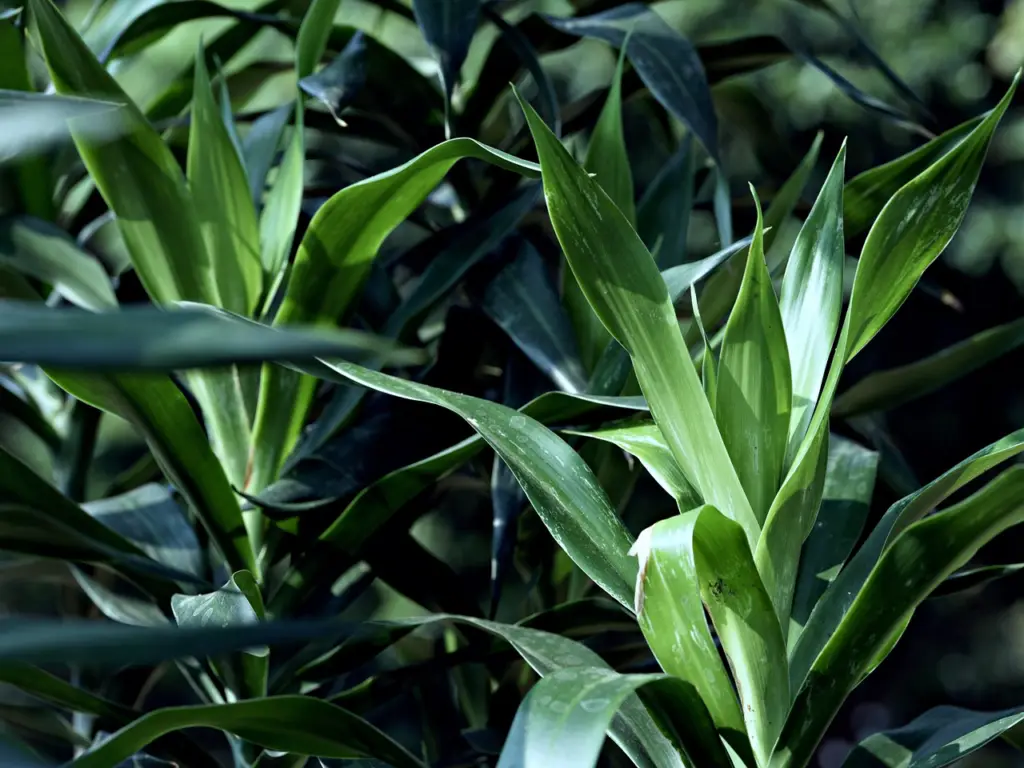
Indoor vs Outdoor Tips for Dracaena Care
As a true tropical plant, this species excels when grown indoors year-round. It adapts seamlessly to normal household humidity and room temperatures. Indoors, position it away from harsh heating vents or cold drafts, ensuring it gets balanced bright indirect light from nearby windows.
If you choose to grow it outdoors, it is strictly hardy in USDA zones 9 through 12. In these warm regions, plant it in a sheltered outdoor bed or outdoor container that receives dappled sunlight or partial shade. Ensure the garden soil drains well, and bring container plants indoors if temperatures approach freezing conditions.
Pruning and Maintenance for Dracaena Care
Regular maintenance ensures your plant maintains a dense, balanced, and healthy structure. Pruning should be carried out twice per year, ideally in the spring during March, April, or May, and again in the fall. In the spring, cut back the stems by one-third. This gentle trimming helps promote healthier fresh growth and motivates the plant to branch out enthusiastically.
During the fall pruning session, focus on trimming back long, leggy stems. Cutting these extended stems encourages a tighter, fuller shape and prevents bare spots from developing along the main stalk. Because this species responds very gently to stem cuts, you can comfortably trim stems to your preferred height to achieve a well-rounded aesthetic.
Simple Ways to Propagate Dracaena Plants
Expanding your collection of plants is straightforward thanks to several reliable propagation methods. You can choose from four distinct propagation techniques based on your preference and plant size:
- Stem Propagation: Take clean stem cuttings during your spring pruning sessions and place them in water or moist soil until new roots develop.
- Division: Separate mature clumps at the root base when repotting larger specimens into multiple pots.
- Air Layering Propagation: Wound a stem section on a mature plant and wrap it in moist moss until aerial roots sprout before detaching.
- Leaf Cutting: Use individual healthy leaf sections to start new growth points under humid conditions.
Common Pests, Problems, and Troubleshooting
While maintenance requirements remain overall low, monitoring for minor cultural issues ensures long-term success. The most frequent problem is over-watering, which manifests as yellowing leaves or soft stems near the soil line. If these signs appear, reduce your watering frequency immediately and let the root zone dry out completely.
Brown leaf tips can occur when atmospheric moisture is too dry or when the plant receives too much harsh, direct sunlight. Move the container slightly away from harsh direct rays to remedy leaf scorching. Keep the foliage clean by wiping leaves occasionally with a damp cloth; clean leaves maximize light absorption and preserve the plant’s natural air-purifying capabilities.
Pet Safety and Household Considerations
When selecting plants for your living area, safety is a top priority for pet owners and parents. Fortunately, data confirms that Dracaena sanderiana is non-toxic to pets and non-toxic to humans. You can display this attractive green shrub on low tables or floor stands without worrying about adverse reactions if curious cats or dogs come into contact with it.
Combined with its air-purifying qualities and low maintenance needs, its non-poisonous profile makes it an exceptional candidate for bedrooms, living rooms, and home offices. Enjoying healthy green foliage indoors has never been easier or more worry-free.
Frequently asked questions
How often should I water my dracaena?
Water thoroughly once every 7 to 10 days on average. Make sure the soil stays evenly moist but not soggy, allowing it to dry out between sessions if moisture lingers.
Can dracaena tolerate low light?
Yes, it is tolerant of low light conditions. However, bright indirect sunlight with 4 to 6 hours of direct sun daily produces the best growth and foliage color.
Is dracaena poisonous to pets?
No, this specific plant species is non-toxic to both pets and humans.
When is the best time to prune dracaena?
Prune twice a year, once in the spring (March, April, or May) to trim stems back by one-third, and once in the fall to trim leggy stems.
What outdoor zones are suitable for dracaena?
Outdoors, it is suitable for planting in USDA hardiness zones 9 through 12 in part sun or partial shade.
Sources & methodology
- Plant data (watering, sunlight, hardiness, toxicity): Perenual plant database (species #2533).
- Hardiness zones: USDA Plant Hardiness Zone Map.
- For local conditions, check your state’s cooperative extension service.
- Written and reviewed by the Biokies editorial team. Last updated November 16, 2026.
Photo: cegoh / Pixabay
📌 Save this guide for later on Pinterest
 Save