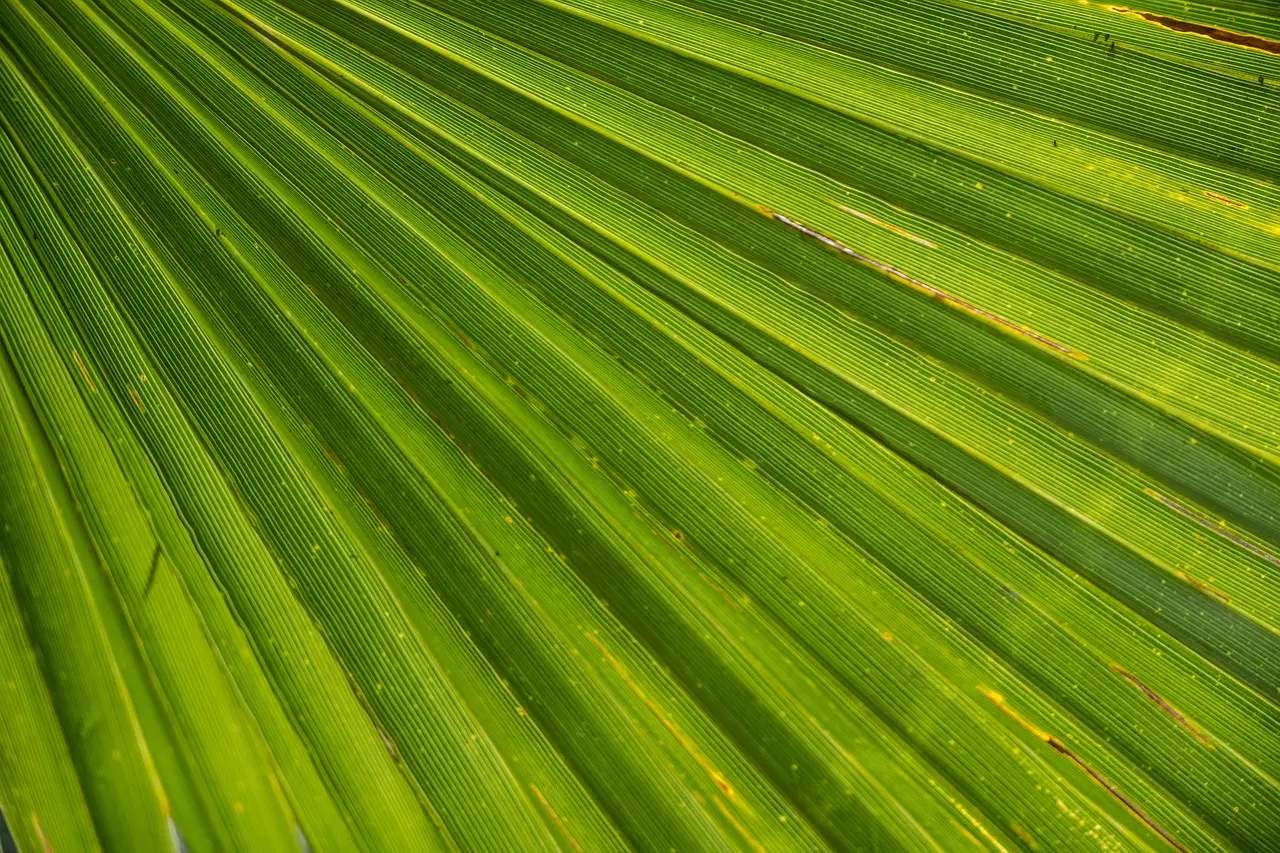
How to Grow and Care for Parlor Palm
Quick answer
The Parlor Palm (Chamaedorea elegans) is a compact, slow-growing tropical palm that thrives in bright, indirect light and average watering routines. Growing between 2 and 6 feet tall, this non-toxic plant is ideal for desks and tabletops. By watering when the top layer of soil dries and providing proper drainage, you can enjoy its lush, exotic fronds with minimal upkeep.
Key takeaways
- Thrives best in bright, indirect light (part shade) for 4 to 6 hours daily.
- Non-toxic and completely safe for homes with cats, dogs, and children.
- Water roughly every 7 to 10 days, allowing the soil to dry out slightly between waterings.
- Prune sparingly in early spring (March through May) to shape or remove discolored foliage.
- Compact growth habit (2 to 6 feet) makes it perfect for tabletops, desks, and small indoor spaces.
Quick facts
| Scientific Name | Chamaedorea elegans |
|---|---|
| Common Name | Parlor Palm, Neanthe Bella Palm |
| Plant Type | Perennial Palm |
| Hardiness Zones | 10 – 12 (Outdoor) |
| Height | 2 – 6 feet |
| Sunlight | Part shade / Bright indirect light |
| Watering | Average (Every 7-10 days benchmark) |
| Toxicity | Non-toxic to humans and pets |
What Is a Parlor Palm?
Mastering parlor palm care begins with understanding the history and growth habits of this classic tropical houseplant. Botanically known as Chamaedorea elegans (and often sold under the name Neanthe bella palm), the parlor palm belongs to the Arecaceae family. Native to the dense rainforest undersurfaces of Central America, this perennial species has been a favored indoor plant since Victorian times, when it earned its name by decorating dark, traditional parlors.
This plant is loved for its elegant, deep green fronds and compact architecture. Unlike massive outdoor palm trees, a parlor palm matures at a manageable height of just 2 to 6 feet tall. Because its growth rate is naturally low, it stays small enough to sit comfortably on tabletops, desks, side tables, or counters for years without quickly outgrowing its space. It offers a lush, tropical texture to living rooms, offices, and apartments without requiring complicated upkeep.
In addition to its decorative appeal, this species is highly adaptable to life indoors. It handles typical household humidity levels surprisingly well and can tolerate short periods of dryness once established. Whether you are an experienced indoor gardener or a beginner looking for a reliable green companion, the parlor palm provides enduring beauty with very little hassle.
Where and When to Plant Your Parlor Palm
Knowing where to position your plant is essential for long-term success with parlor palm care. As a tropical indoor plant, the parlor palm grows happily inside standard residential spaces across the United States year-round. If you live in USDA Hardiness Zones 10 through 12, you can also grow this palm outdoors in a shaded, protected garden bed or container patio setting.
For indoor growing, place your potted parlor palm in a location that receives consistent, gentle daylight without extreme temp swings. Avoid placing containers directly next to drafty external doors, uninsulated winter windows, or near heating and cooling vents. Cold blasts can cause leaf tip browning, while hot dry air speeds up moisture loss in the fronds.
- Indoor Locations: Bright living rooms, east-facing window sills, home office desks, or brightly lit hallways.
- Outdoor Growing (Zones 10-12): Shaded patios, covered entryways, or under tall outdoor tree canopies that shield the palm from severe sun.
- Best Time to Pot or Repot: Spring or early summer is the ideal period to repot your palm, as the plant enters its active warm-season growth period.
Sunlight Needs for Parlor Palm Care
Proper light exposure is crucial when adjusting your routine for proper parlor palm care. The parlor palm prefers part shade, which translates indoors to bright, indirect sunlight. In its natural rainforest habitat, this palm grows beneath the dense canopy of taller trees, receiving filtered daylight rather than full exposure.
Aim to provide your parlor palm with approximately 4 to 6 hours of bright, indirect light daily, spread throughout the morning or late afternoon. Windows facing east are ideal because they deliver gentle morning rays without intense midday heat. Windows facing south or west can also work well if you pull the pot a few feet back from the glass or use sheer curtains to diffuse the light.
Signs of Light Issues
- Too Much Direct Sun: Leaves look faded, bleached, scorched, or crispy brown along the edges. Direct all-day sun will ruin the delicate foliage.
- Too Little Light: Fronds become weak, thin, and stretched out (etiolated), and overall plant growth stalls completely.
How to Water a Parlor Palm Correctly
A balanced watering routine is one of the most critical elements of routine parlor palm care. While this tropical palm enjoys consistent moisture, it does not like soggy soil. A general benchmark for watering is every 7 to 10 days, though actual needs vary based on your room humidity, temperature, pot size, and season.
As a basic guideline, smaller potted palms often need watering about twice a week using approximately 1/2 cup of water per pot. Always pour water slowly over the top of the potting mixture until excess moisture drips from the pot’s bottom drainage holes. After watering, wait a few minutes and empty the excess water from the drainage saucer below. Never let the pot sit in standing water, as saturated soil prevents oxygen from reaching the roots.
Checking Soil Moisture
Before reaching for the watering can, check the soil moisture levels manually. You can test the soil with your fingertips or insert a clean wooden skewer into the container soil:
- Insert a wooden skewer or your finger into the soil.
- If the skewer comes out dry when inserted deeper than 2 cm (about 1 inch), it is time to give your plant a fresh drink.
- If soil sticks to the skewer and feels damp, wait a few more days before checking again.
Although the parlor palm is relatively drought tolerant once settled, letting the soil dry out entirely for long stretches will lead to brown, crispy leaf tips. Strike a balance by letting the top layer dry out slightly between waterings.
Best Soil and Feeding for Parlor Palm Care
Using the proper soil mix lays a solid foundation for healthy parlor palm care over many years. Because this plant is susceptible to root rot in poorly draining conditions, always select a potting mix that balances moisture retention with crisp drainage. Standard indoor houseplant potting soils amended with extra perlite or coarse peat moss work wonderfully.
Select containers made of terracotta, ceramic, or plastic, but ensure the pot always features functional bottom drainage holes. Terracotta is particularly helpful for growers who tend to overwater, as the porous clay wall allows excess moisture to evaporate naturally.
Feeding Guidelines
The parlor palm is a low-maintenance, slow-growing plant with modest nutritional demands. Feeding requirements are straightforward:
- Frequency: Apply a light, balanced liquid houseplant fertilizer once a month during spring and summer.
- Dormancy: Hold off on feeding during autumn and winter when growth slows naturally.
- Caution: Avoid over-fertilizing. Too much plant food builds up mineral salts in the soil, which can burn sensitive palm roots and yellow the leaves.
Pruning and Seasonal Maintenance
Pruning a parlor palm requires a gentle touch because the plant grows slowly from a central growing point. Unlike typical leafy tropical plants, you cannot simply cut back stems to force bushier growth. Instead, pruning should be done sparingly, only when necessary to clean up old growth or control shape.
The optimal time for pruning is during the early spring months—March, April, and May—right before the natural summer growth period starts. You can also perform light trimming throughout the year to clean up damaged fronds.
Step-by-Step Pruning Instructions
- Inspect the Fronds: Look for old fronds at the base of the plant that have naturally turned yellow or brown.
- Sanitize Your Tools: Use clean, sharp pruning shears or heavy scissors to avoid transferring fungal pathogens or tearing leaf tissues.
- Make Clean Cuts: Cut off dead or discolored fronds near the base of the stem, just above a leaf node or main trunk base.
- Avoid Over-Trimming: Never cut off healthy green fronds or trim top growth stems, as doing so permanently stops stem development.
How to Propagate Parlor Palms
Propagating a parlor palm differs from many popular houseplants. You cannot start a new parlor palm from leaf cuttings or stem sections placed in water. The primary, true-to-type propagation method for Chamaedorea elegans is Seed Propagation.
Commercial growers usually plant multiple seeds close together in a single pot to create the lush, full, multi-stemmed look commonly seen in garden centers. If you wish to grow new plants from seed at home, follow these standard steps:
- Source Fresh Seeds: Obtain high-quality parlor palm seeds from a reputable nursery.
- Prepare the Pot: Fill a small starter pot with a sterile, moist seed-starting mix or standard peat-perlite mixture.
- Plant the Seeds: Press seeds lightly into the top layer of soil, covering them with a thin dust layer of potting medium.
- Maintain Warmth and Humidity: Place the tray or pot in a warm area with bright indirect light. Keep soil consistently damp (not soaked) using a water spray bottle.
- Be Patient: Palm seeds take several weeks to a few months to germinate due to their low growth rate.
Division Note: Mature parlor palm clumps are sometimes gently separated during spring repotting, but handle the delicate, interwoven roots carefully to avoid transplant shock.
Troubleshooting Common Parlor Palm Pests and Problems
Even with careful parlor palm care, occasional pests or environmental problems can arise. Inspecting your palm every time you water helps catch issues early before severe damage occurs.
Common Pests
- Spider Mites: Tiny pests that thrive in warm, dry air. Look for delicate webbing underneath fronds or fine yellow speckled dots on leaves. Increase room humidity and wipe leaves down with damp clothes or mild insecticidal soap.
- Mealybugs: Appears as fuzzy white cotton-like clusters along leaf stems and undersides. Dab individual bugs with a cotton swab dipped in rubbing alcohol.
- Scale Insects: Small brown, shell-like spots attached firmly to palm stems. Scrape off carefully or treat stems with horticultural oil.
Common Environmental Problems
- Root Rot: Triggered by overwatering or dense soil lacking drainage. Symptoms include soft stems, yellowing lower leaves, and foul soil odor. Inspect roots, remove mushy brown tissue, and repot in fresh, fast-draining soil.
- Fungal Leaf Spot: Shows as brown or black spots surrounded by yellow rings on foliage. Avoid wetting fronds during watering, ensure good air circulation, and prune affected leaves.
- Brown Leaf Tips: Typically caused by low ambient humidity, under-watering, or salt buildup from hard water and fertilizer. Trim dry tips following natural frond shapes and adjust watering.
Pet Safety and Indoor vs. Outdoor Care Tips
One of the best attributes of the parlor palm is its safety profile around family pets and children. The parlor palm is completely non-toxic to dogs, cats, and humans. Unlike many other exotic indoor plants (such as dieffenbachias or philodendrons), you can display this plant on floor stands, low coffee tables, or desks without worrying about pet toxicity.
Indoor vs. Outdoor Care Comparison
Depending on where you choose to showcase your palm, consider these quick maintenance differences:
- Indoor Care: Focus on maintaining stable room temperatures, providing bright filtered sunlight, dusting foliage periodically with a damp cloth, and avoiding direct airflow from radiators or air conditioners.
- Outdoor Care (Zones 10-12): Ensure the location is shaded from harsh sunlight. The parlor palm is not salt-tolerant, so avoid seaside spots with salty soil or sea spray. Protect plants from strong winds that can shred soft fronds.
Frequently asked questions
How often should I water my parlor palm?
As a general benchmark, water your parlor palm every 7 to 10 days, or roughly twice a week using about 1/2 cup of water. Check the top 2 cm of soil with your finger or a wooden skewer; if it feels dry, it is time to water.
Is the parlor palm safe for cats and dogs?
Yes, the parlor palm is completely non-toxic to both pets and humans. It is an excellent, safe choice for homes with curious cats and dogs.
Why are the tips of my parlor palm turning brown?
Brown leaf tips are usually caused by low indoor humidity, dry soil, or mineral salt accumulation from tap water or excess fertilizer. Keep soil consistently moist without overwatering and trim brown tips with clean shears.
Can a parlor palm survive in low light?
While the parlor palm tolerates medium to lower light conditions better than many tropical plants, it thrives best in 4 to 6 hours of bright, indirect sunlight daily.
How large will a parlor palm grow indoors?
The parlor palm is a very slow-growing plant that typically reaches between 2 and 6 feet tall at maturity, making it ideal for compact spaces like desks and tabletops.
Sources & methodology
- Plant data (watering, sunlight, hardiness, toxicity): Perenual plant database (species #1820).
- Hardiness zones: USDA Plant Hardiness Zone Map.
- For local conditions, check your state’s cooperative extension service.
- Written and reviewed by the Biokies editorial team. Last updated November 16, 2026.
Photo: kundennote_com / Pixabay
📌 Save this guide for later on Pinterest
 Save