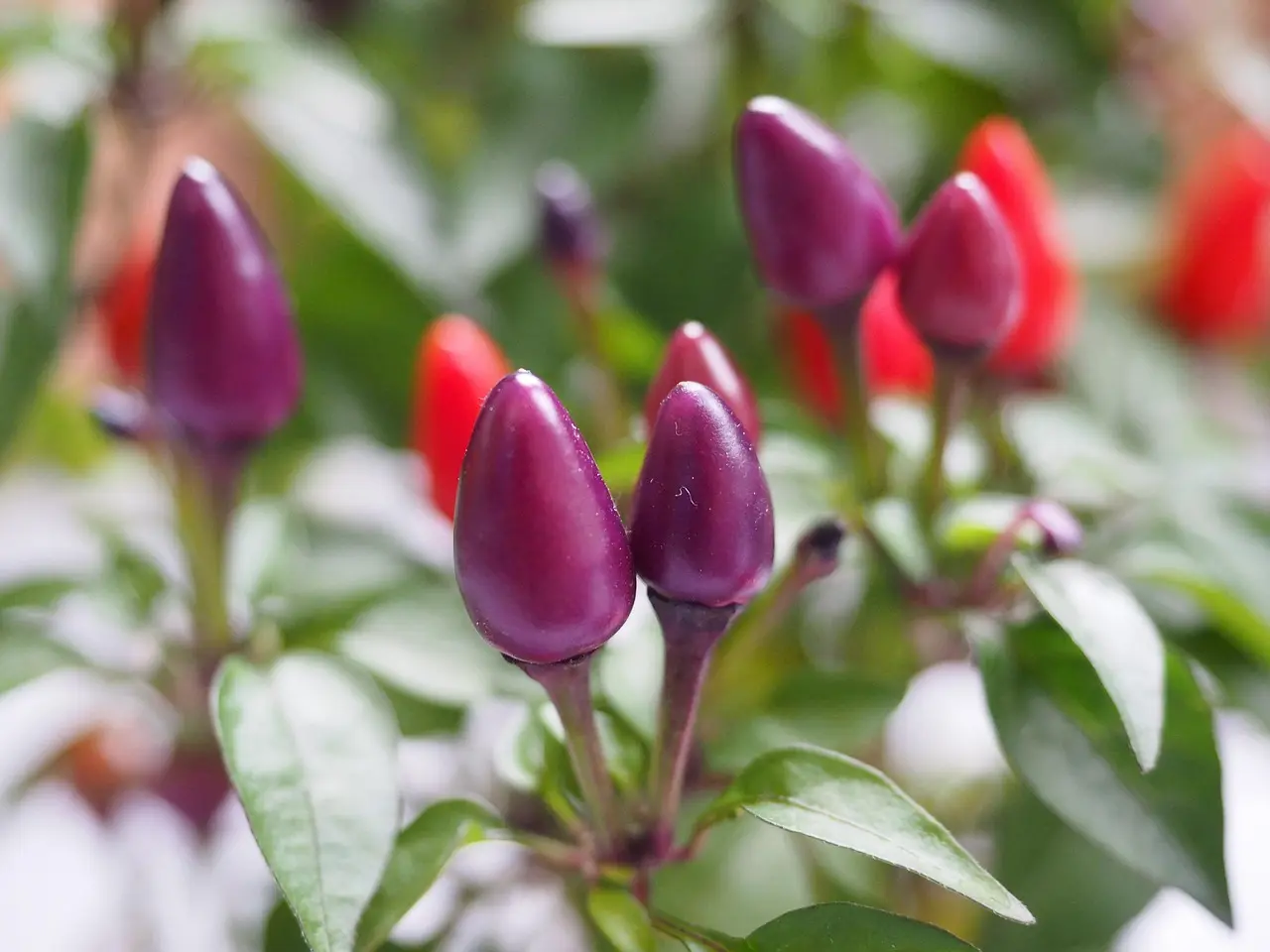
Sweet Bell Pepper Care: How to Grow Capsicum Annuum
Quick answer
Sweet bell pepper care requires full sunlight of 6 to 8 hours daily and consistent watering of 1 to 2 inches per week in moist, well-draining soil. Plant outdoors in USDA hardiness zones 9 through 11, pruning 2 to 3 times per year once the stem reaches 1 foot tall. This low-maintenance vegetable is non-toxic to pets and humans.
Key takeaways
- Requires 6 to 8 hours of direct full sun daily, but benefits from protection during peak afternoon heat.
- Needs 1 to 2 inches of water per week applied early in the morning to keep foliage dry.
- Grows 1.5 to 2 feet tall and is hardy outdoors in USDA zones 9 to 11.
- Prune 2 to 3 times a year after the stem reaches 1 foot, keeping foliage loss under two-thirds.
- Completely non-toxic to pets and humans, producing edible fruit and edible leaves.
Quick facts
| Common Name | Sweet Bell Pepper |
|---|---|
| Scientific Name | Capsicum annuum 'Park's Early Thickset' |
| Hardiness Zones | 9 – 11 |
| Plant Type | Fruit (Herbaceous Perennial) |
| Sunlight | Full Sun (6-8 hours direct) |
| Watering | Average (1-2 inches per week) |
| Height | 1.5 – 2 feet |
| Toxicity | Non-toxic to pets & humans |
What is Sweet Bell Pepper?
Sweet bell pepper care starts with understanding this fantastic, high-yielding edible crop from the Solanaceae family. Known scientifically as Capsicum annuum ‘Park’s Early Thickset’, this vegetable garden favorite produces large, sweet, and juicy peppers that shift into vibrant shades of yellow, orange, and red as they mature. The plant forms a sturdy structure with a thick stem and broad, bright green leaves, growing to a manageable height of 1.5 to 2 feet. Although many home gardeners cultivate it as an annual crop, it is botanically an herbaceous perennial in warmer, frost-free climates.
Growing your own sweet bell peppers is deeply satisfying because the plant offers low maintenance requirements and a steady, delicious harvest. Both the sweet peppers and the leaves are edible, making it a versatile addition to fresh summer salads, home cooking, and natural recipes. Beyond its wonderful culinary uses, this pepper variety adds classic beauty to your outdoor garden beds or raised plots. While it handles diverse growing conditions well, giving it proper care ensures robust stems, heavy fruit production, and lush foliage all season long.
Where and When to Plant Sweet Bell Peppers
Finding the right outdoor location for your sweet bell pepper plants is essential for a productive summer harvest. These plants thrive best outdoors in USDA hardiness zones 9 through 11, where weather conditions remain warm and frost-free for long stretches. Because this plant is not a tropical indoor species, growing it inside the home is generally not recommended unless you have specialized outdoor-grade setups, so planting directly in garden beds, raised plots, or large outdoor containers yields the best results.
Timing your outdoor planting depends on seasonal temperatures in your local region. Wait until all danger of spring frost has completely passed and soil temperatures have warmed up thoroughly. Sweet bell peppers prefer warm daytime temperatures to establish strong root systems, but they also appreciate cooler weather conditions and should be protected from harsh afternoon heat spikes during intense midsummer periods. When spacing your pepper plants in garden rows, place them so their mature 1.5 to 2 foot height and width have plenty of space for healthy air circulation without crowding nearby vegetables.
Sunlight Requirements for Sweet Bell Pepper Care
Proper sweet bell pepper care relies heavily on giving your plants direct, full sun exposure throughout the day. These sweet peppers require at least 6 to 8 hours of direct sunlight daily to develop strong blooms and yield full-sized fruits. Indirect light or partial shade will not support vigorous growth; inadequate sunlight often leads to pale fruits, weak stems, and significantly reduced yield over the harvesting season.
While direct sun exposure is crucial, protecting your pepper plants during extreme heat waves is equally important. Although sweet bell peppers need full sunlight, they perform best in moderate temperatures and can experience stress under severe, intense afternoon heat. If you live in a climate with blistering summer afternoons, providing temporary shade cloth during peak mid-afternoon hours can prevent heat stress without sacrificing the overall direct light hours required for fruit development.
Watering Guidelines for Healthy Pepper Plants
Watering sweet bell pepper plants consistently is one of the most vital routine care tasks for a bumper harvest. These plants require an average amount of water, ideally receiving 1 to 2 inches of water per week through rainfall or supplemental hand watering. The main goal is to keep the surrounding soil evenly moist at all times without allowing it to become waterlogged or soggy. Because this plant is not drought tolerant, allowing the soil to dry out completely can cause early blossom drop and stunt fruit growth.
To keep your pepper plants thriving, follow these essential watering practices:
- Water Early in the Morning: Irrigate early in the day so the root system absorbs moisture before high heat builds up, allowing any accidental soil splash to dry off quickly.
- Keep Foliage Dry: Avoid splashing water directly onto the leaves and upper branches. Wet foliage creates ideal conditions for fungal spores and plant diseases. Aim your hose or watering can directly at the soil base.
- Monitor Container Moisture: Container-grown sweet peppers dry out faster than ground beds. Check container soil dampness frequently during warm spells and adjust your routine to maintain steady moisture.

Soil, Fertilizer, and Feeding Requirements
Establishing healthy soil conditions ensures your sweet bell pepper plants absorb all the nutrients necessary to support heavy fruit sets. These plants grow best in rich, organic, well-draining garden soil that retains moisture evenly without holding standing water. Avoid heavy clay or overly compacted soils that hinder root development, and note that this variety is not salt tolerant, so avoid using saline irrigation water or salt-heavy soil additives.
Feeding your peppers regularly encourages thick stems and healthy leaf formation. Mix rich organic compost or well-rotted matter into the planting site before setting out your young seedlings. Once established, balanced organic fertilizers applied according to package directions keep plants growing steadily. Proper nutrition, combined with consistent moisture, helps the plant build strong branches capable of supporting heavy clusters of mature yellow, orange, and red peppers throughout the growing period.
Pruning and Maintenance Instructions
Pruning sweet bell pepper plants improves overall canopy structure, light penetration, and pepper yield throughout the season. Begin pruning once your plant is well-established and its main central stem reaches about one foot in height. Overall maintenance for this pepper variety is naturally low, requiring pruning only about 2 to 3 times per year to keep growth tidy and healthy.
Follow these step-by-step pruning techniques for healthy canopy development:
- Remove Weak Stalks: Inspect the lower base and prune away any thin, frail branches or foliage-lacking shoots that drain energy from the plant.
- Trim the Upper Canopy: Cut back branches or limbs that reach above the top canopy level. Opening up the top structure increases direct sunlight exposure and improves airflow to lower stems and developing fruit.
- Limit Foliage Loss: Never prune off more than two-thirds (⅔) of the total plant foliage during a single session. Removing too many leaves stresses the plant and negatively impacts growth.
How to Propagate Sweet Bell Peppers
Propagating sweet bell pepper plants allows you to expand your home garden easily without buying new seeds or starts every year. While starting from seed is the standard route for most gardeners, this versatile species can also be propagated through stem cuttings, layering propagation, and grafting propagation. Each approach gives home gardeners flexible choices depending on your experience level and garden setup.
Seed propagation is usually the most straightforward method. Start seeds indoors in seed-starting mix several weeks before the last spring frost date, keeping the soil damp and warm until sprouting occurs. For cutting propagation, take clean, healthy stem cuttings from strong parent plants, strip lower leaves, and place them in a moist rooting medium until roots establish. Grafting and layering offer advanced gardeners additional options to clone top traits or build stronger plant structures in outdoor garden plots.
Pests, Diseases, and Troubleshooting
Preventing pests and health issues keeps your sweet bell pepper crop productive from spring through fall harvest. Common garden insects like aphids, flea beetles, and hornworms can occasionally visit sweet pepper foliage. Regularly inspecting leaf undersides and picking off visible bugs by hand helps control minor pest visits before they reduce your garden yield.
Fungal issues and foliage spots are usually triggered by excessive leaf dampness or crowded spacing. Because wet foliage fosters plant diseases, always direct water straight to the base of the stem early in the morning and maintain proper spacing between neighboring plants. Correcting poor airflow through periodic light pruning and maintaining even soil moisture prevents foliage burn, stem stress, and blossom end breakdown in growing peppers.
Harvest, Pet Safety, and Seasonal Care
Harvesting sweet bell peppers at the right stage guarantees the sweetest flavor and best quality. As the peppers mature, they change from green into brilliant shades of yellow, orange, or red. Use clean pruners or sharp garden snips to cut the peppers cleanly from the main stem, taking care not to pull on stems or tear surrounding leaves. Regular harvesting encourages the plant to set new blooms and yield additional fruit across the season.
One major advantage of growing this pepper variety is its family-friendly safety profile. The sweet bell pepper (Capsicum annuum ‘Park’s Early Thickset’) is non-poisonous to pets and non-poisonous to humans, making it completely safe to cultivate around curious dogs, cats, and young children. Incorporate the edible fruits and leaves into your culinary dishes with full peace of mind for the whole household.
Frequently asked questions
Is sweet bell pepper poisonous to pets or humans?
No, sweet bell pepper (Capsicum annuum 'Park's Early Thickset') is completely non-poisonous to pets and non-poisonous to humans. Both the fruits and leaves are edible and safe around dogs and cats.
How much sunlight does a sweet bell pepper plant need?
Sweet bell peppers require full sun, needing at least 6 to 8 hours of direct sunlight each day. Protect them from severe, intense afternoon heat during peak summer spikes.
How often should you water sweet bell pepper plants?
Provide 1 to 2 inches of water per week so the soil remains evenly moist but not soggy. Water early in the morning directly at soil level to keep foliage dry.
When should you prune sweet bell pepper plants?
Begin pruning once the main stem reaches about 1 foot long, trimming 2 to 3 times per year. Remove weak shoots and top canopy branches, taking care never to remove more than two-thirds of the foliage.
Can sweet bell peppers be grown indoors?
This variety is classified as an outdoor plant and grows best in full sunlight outdoors in USDA hardiness zones 9 through 11.
Sources & methodology
- Plant data (watering, sunlight, hardiness, toxicity): Perenual plant database (species #1602).
- Hardiness zones: USDA Plant Hardiness Zone Map.
- For local conditions, check your state’s cooperative extension service.
- Written and reviewed by the Biokies editorial team. Last updated November 19, 2026.
Photo: Hans / Pixabay
📌 Save this guide for later on Pinterest
 Save