Companion Planting Chart: What to Plant Together
Quick answer
Companion planting chart strategies help US gardeners pair mutually beneficial crops together to deter pests, improve soil nutrients, and maximize garden space across USDA hardiness zones. By placing friendly plants side-by-side, you create a balanced ecosystem that naturally supports healthier vegetables without heavy chemical use.
Key takeaways
- Pairing compatible vegetables improves overall garden health and boosts crop yields.
- Certain companion plants naturally deter common garden pests like aphids and beetles.
- Tall plants can provide helpful shade for sun-sensitive crops during hot summer months.
- Crop rotation and smart spacing prevent soil depletion and disease spread.
- Always research specific plant needs regarding sunlight and watering before grouping.
Quick facts
| Difficulty | Beginner-Friendly |
|---|---|
| Best Season | Spring & Fall |
| Garden Type | Organic Vegetable |
| Primary Benefit | Natural Pest Deterrence |
What Is Companion Planting and Why Use a Companion Planting Chart?
A companion planting chart is an essential tool for any organic vegetable gardener looking to maximize space and boost plant health naturally. Companion planting involves growing specific plants close to each other because they provide mutual benefits, such as pest control, enhanced pollination, or improved soil nutrients.
Across the United States, gardeners in USDA hardiness zones 3 through 10 use these strategic pairings to reduce reliance on synthetic fertilizers and chemical pesticides. When you group compatible crops, you mimic natural ecosystems where different species support one another rather than competing for resources.
Using a reliable chart helps you avoid common layout mistakes, such as placing heavy feeders too close together or combining plants that attract the exact same pests. Whether you are managing a large backyard plot or raised beds, understanding these relationships leads to a thriving, resilient harvest.
Classic Vegetable Pairings for Your Companion Planting Chart
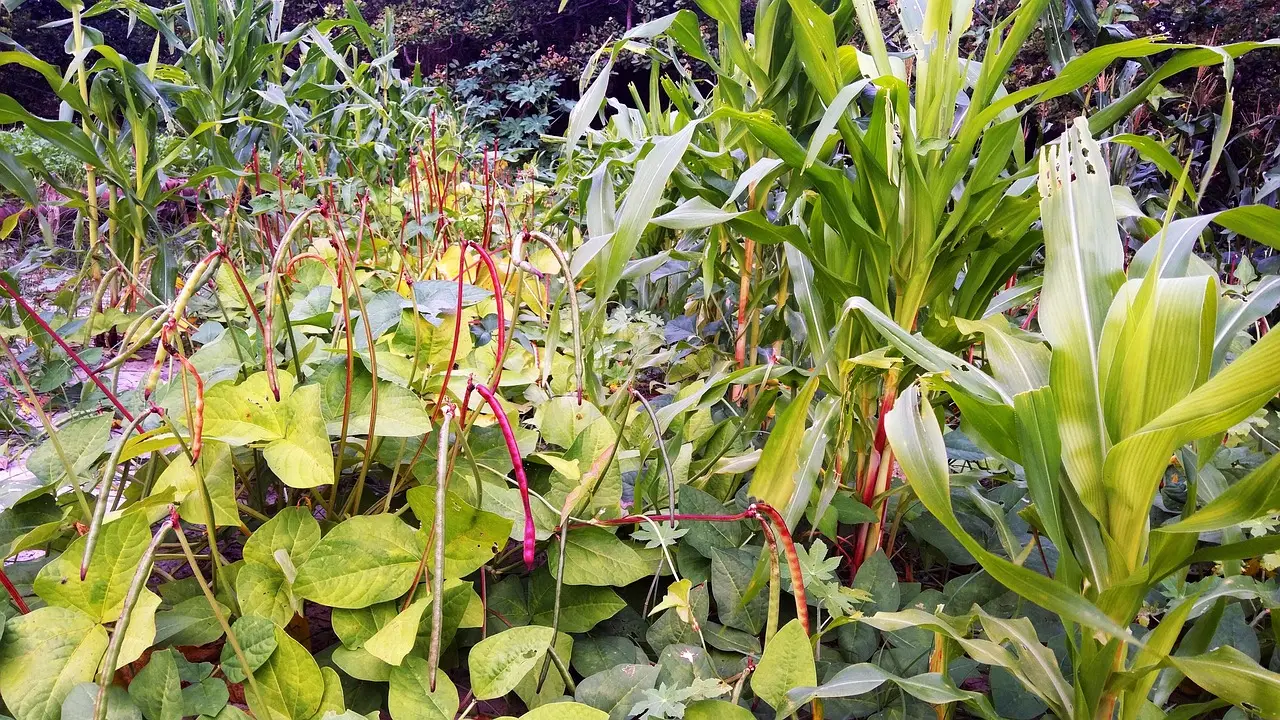
Certain vegetable combinations have stood the test of time due to their incredible ability to help each other thrive in the garden bed. One of the most famous historical examples is the “Three Sisters” method used by Native Americans, which pairs corn, climbing beans, and winter squash together.
- Corn and Beans: Tall cornstalks provide a natural sturdy trellis for climbing beans to wind their way up toward the sunlight.
- Beans and Squash: Beans pull nitrogen from the air and fix it into the soil, feeding heavy-feeding squash plants nearby.
- Squash and Corn: Large, prickly squash leaves spread across the ground, shading out weeds and keeping soil moisture locked in for the corn roots.
Another classic duo is tomatoes and basil. Gardeners widely report that growing basil right beside tomatoes improves overall plant vigor and helps deter unwanted insects, making it a must-have pairing on your garden layout plan.
Using Flowers and Herbs for Natural Pest Control
Integrating aromatic herbs and bright flowers into your vegetable garden is one of the smartest ways to protect your edible crops from destructive insects. Flowers do more than just add beauty; they act as living shields and attract beneficial predatory insects like ladybugs and parasitic wasps.
- Marigolds: Plant these bright orange and yellow flowers near tomatoes, peppers, and beans to repel root-knot nematodes and various garden pests with their distinct scent.
- Nasturtiums: These edible flowers act as a trap crop for aphids, drawing them away from prized vegetables like kale, broccoli, and cabbages.
- Mint and Rosemary: Strong-scented herbs confuse flying pests, making it harder for them to locate your vulnerable vegetable leaves by smell.
When planning your layout, scatter these beneficial herbs and flowers throughout your vegetable rows rather than keeping them in a separate corner. This maximizes their protective perimeter effect across the entire growing space.
Step-by-Step Instructions for Planning Your Garden Layout
Designing a successful garden using a companion planting chart requires a little forethought before you ever dig your first hole in the dirt. Follow these simple steps to organize your growing space for maximum efficiency and plant health.
- Map your garden space: Sketch out your garden beds on paper, noting the exact dimensions and the direction of sunlight exposure throughout the day.
- Consult your chart: Review compatible and incompatible plant families to decide which vegetables, herbs, and flowers will live side-by-side.
- Group by needs: Place plants with similar watering and sunlight requirements together so you can easily manage irrigation and care routines.
- Consider mature sizes: Leave adequate spacing between companion pairs to ensure proper airflow, which prevents fungal diseases like powdery mildew.
- Plant in stages: Introduce fast-growing companion herbs or radishes early in the season to maximize your harvest window before larger summer crops take over.
Plants to Keep Apart: Understanding Bad Companions
Just as certain plants help each other grow, others actively inhibit each other’s success when placed too close together in the garden. Knowing what not to plant side-by-side is just as important as knowing your favorable pairings.
A common mistake is planting members of the same family together, which quickly depletes specific soil nutrients and attracts shared pests and diseases. For instance, potatoes and tomatoes both belong to the nightshade family and are highly susceptible to early and late blight; planting them together invites widespread fungal infection.
Additionally, keep strong-scented herbs like fennel away from most garden vegetables, as fennel can stunt the growth of beans, tomatoes, and greens. Always check your reference chart for antagonistic pairings before seeding or transplanting your garden beds.
Season-Aware Companion Planting Tips for US Gardeners
Your companion planting strategy should shift dynamically as the seasons change throughout the year across different US climate zones. Cool-season spring crops have very different companionship dynamics compared to sun-loving summer vegetables.
- Spring Cool-Seasons: Pair leafy greens like lettuce and spinach with fast-maturing radishes. Radishes help break up compacted soil while taking up very little space before the greens fill in.
- Summer Heat: Combine tall peppers or tomatoes with low-growing basil or parsley. The taller plants offer a bit of afternoon shade to delicate herbs during peak July and August heatwaves in southern zones.
- Fall Transition: As summer crops fade, plant brassicas like cabbage and broccoli alongside dill or cilantro to fend off late-season caterpillars and aphids.
Adjust your planting calendar based on your specific USDA zone’s frost dates to ensure your companion crops mature at the right time relative to one another.
Common Mistakes to Avoid When Companion Planting
Even experienced gardeners occasionally run into trouble by overlooking key principles of plant interaction and garden design. Avoiding these frequent pitfalls ensures your companion planting efforts pay off with a bountiful harvest.
One major mistake is overcrowding the garden beds. While companion planting encourages close spacing to maximize efficiency, cramming too many plants into a small area restricts airflow and creates damp microclimates where fungi thrive. Always respect individual plant spacing guidelines.
Another error is ignoring soil fertility. Even the best plant pairings cannot make up for poor, depleted soil. Ensure your beds are amended with rich compost and organic matter so all companion crops have access to adequate nutrition throughout the growing season.
Frequently asked questions
What vegetables should never be planted next to each other?
Avoid planting members of the same family together, such as tomatoes and potatoes, because they share pests and diseases. Additionally, keep fennel away from most vegetables since it can inhibit their growth.
Does companion planting actually help control pests?
Yes, companion planting uses aromatic herbs and bright flowers to confuse harmful insects, deter specific pests, and attract beneficial predatory insects that naturally manage garden populations.
Can I use a companion planting chart for raised beds and containers?
Absolutely! Companion planting works wonderfully in raised beds and large containers, provided you choose compact plant varieties and maintain adequate soil nutrition and watering routines.
How does spacing affect companion plants?
Proper spacing ensures that companion plants do not fiercely compete for sunlight, water, and root nutrients while still allowing enough airflow to prevent fungal diseases.
Sources & methodology
- Hardiness zones: USDA Plant Hardiness Zone Map.
- For local conditions, check your state’s cooperative extension service.
- Written and reviewed by the Biokies editorial team. Last updated November 18, 2026.
Photo: Bruttos / Pixabay
📌 Save this guide for later on Pinterest
 Save