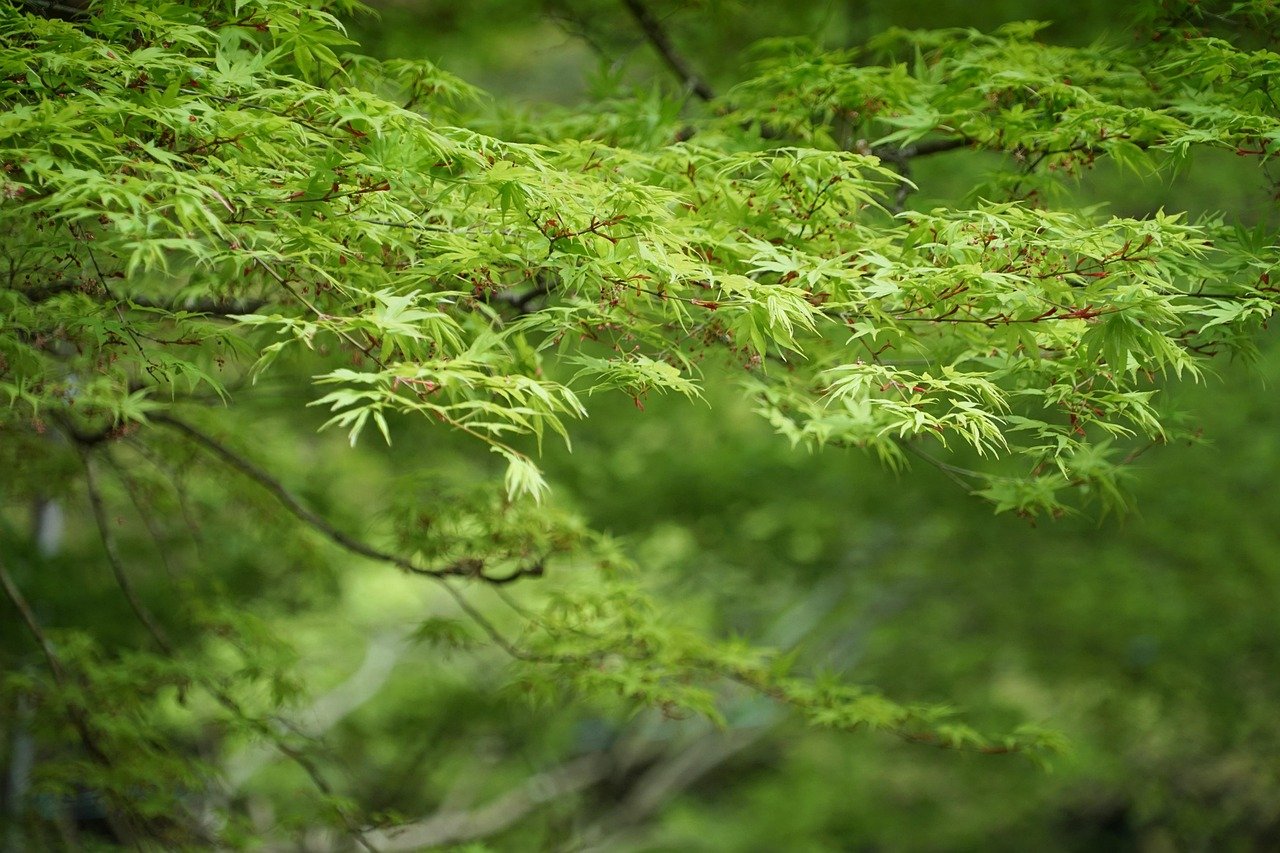
Essential Japanese Maple Care: How to Grow Happy Trees
Quick answer
Japanese maple care requires dappled sunlight, moist but well-draining soil, and protection from harsh winds or extreme heat. Water deeply during dry spells, mulch to retain root moisture, and prune lightly in late winter or midsummer. With rich, slightly acidic soil, these slow-growing trees will display vibrant foliage across spring, summer, and fall.
Key takeaways
- Plant Japanese maples in dappled sun or morning light with afternoon shade to prevent leaf scorch.
- Keep soil consistently moist but never waterlogged using a 2- to 3-inch layer of organic mulch.
- Prune minimally during late winter or midsummer to clear dead wood and preserve natural shape.
- Feed sparingly in early spring with a low-nitrogen, slow-release organic fertilizer.
- Protect root systems in harsh winters by mulching deeply and sheltering container-grown trees.
Quick facts
| USDA Hardiness Zones | Zones 5 through 8 (varies by cultivar) |
|---|---|
| Sun Exposure | Partial shade to dappled sun; afternoon shade in warm climates |
| Watering Needs | Moderate; prefers consistently moist, well-draining soil |
| Soil Type | Loamy, rich, slightly acidic (pH 5.5 – 6.5) |
| Mature Height | 6 to 25 feet (depending on standard vs. dwarf variety) |
| Pet Toxicity | Non-toxic to dogs, cats, and horses (Acer palmatum) |
Getting Started with Japanese Maple Care
Mastering japanese maple care starts with choosing the right site and planting your tree properly. Native to Japan, Korea, and China, *Acer palmatum* trees are prized around the world for their graceful form, delicate foliage, and brilliant fall color. Whether you plant an upright variety like ‘Bloodgood’ or a cascading dwarf laceleaf type, giving your tree a strong start establishes healthy root growth that lasts for generations.
When selecting a spot in your yard, consider the tree’s final height and spread. Japanese maples grow slowly, but they require ample space away from tall, aggressive root systems of larger forest trees. Plant your tree in early autumn or late spring when temperature swings are mild. Dig a hole twice as wide as the root ball and slightly shallower than its height, ensuring the root flare rests just above the surrounding soil line.
Sunlight and Ideal Planting Locations
Finding the correct sunlight balance is essential for vibrant leaf color and leaf health. Most Japanese maples thrive in partial shade or dappled sunlight under a light canopy of taller trees. Morning sun followed by afternoon shade is the ideal lighting schedule in most regions.
Sun Requirements by Leaf Color
- Red-Leaved Cultivars: Need adequate sunlight to maintain their deep red or purple tones. Too much shade turns leaves green, while intense afternoon sun in hot climates can burn leaf tips.
- Green and Variegated Cultivars: Prefer more shade than red types. Direct afternoon sun can easily bleach white or pink variegated patterns and cause leaf scorch.
- Laceleaf (Dissectum) Types: Have thin, delicate leaves that dry out quickly under direct, intense sunlight and drying winds.
Always plant your tree in a sheltered area protected from strong, drying winds, which can damage soft foliage in spring and scorch delicate leaves during summer heatwaves.
Watering and Soil Requirements for Japanese Maple Tree Care
Proper japanese maple tree care relies on moist, high-quality soil that drains freely. Japanese maples despise sitting in soggy soil, which quickly invites root rot fungal diseases, but their shallow root systems will dry out rapidly if neglected during dry weather.
Aim for soil with a slightly acidic to neutral pH level between 5.5 and 6.5. Amend dense clay or light sandy soils with plenty of compost, leaf mold, or aged bark to improve structure and moisture retention. Follow these simple watering guidelines:
- Newly Planted Trees: Water deeply twice a week during the first growing season. Adjust based on rainfall and local summer temperatures.
- Established Trees: Deliver deep, slow soakings every 7 to 10 days during dry spells. Focus water around the outer drip line of the canopy where active roots feeder roots reside.
- Mulching Routine: Spread a 2- to 3-inch layer of organic mulch (such as shredded bark or pine straw) over the root zone. Keep mulch at least 3 inches away from the main trunk bark to prevent moisture build-up and stem rot.
Fertilizing Schedule for Healthy Growth
Japanese maples are light feeders that do not require heavy applications of synthetic fertilizers. Excessive fertilizer causes rapid, weak, spindly branch growth that breaks easily and reduces natural fall colors.
Apply a slow-release, balanced organic fertilizer or a light layer of rich compost in late winter or early spring just as new leaf buds begin to swell. Never fertilize Japanese maples after midsummer. Feeding late in the season encourages tender flush growth that will not harden off before winter frost, leading to cold damage and dieback.

Essential Pruning for Japanese Maple Care
Pruning is an essential part of long-term japanese maple care, but less is always more. These trees naturally grow into stunning structural shapes, so your goal should be to highlight their natural form rather than force a rigid shape.
When and How to Prune
The best time for major structural pruning is late winter while the tree is dormant. Minor touch-ups, such as removing dead twigs or crossing branches, can be done in midsummer once leaves are fully expanded.
- Remove Dead or Damaged Wood: Cut back dead, diseased, or broken branches down to healthy tissue or the branch collar.
- Open Up the Interior: Selectively remove overlapping or downward-growing branches to allow light and airflow through the inner canopy.
- Clean Your Tools: Always sanitize your bypass pruners with rubbing alcohol before moving between trees to prevent spreading fungal pathogens.
Seasonal Winter and Spring Protection
While Japanese maples are cold-hardy in USDA Zones 5 through 8, harsh winter conditions and unseasonal late frosts can damage dormant trunks and young buds.
In colder northern zones (Zone 5), protect young trees by wrapping trunks in commercial tree wrap to prevent frost cracking caused by bright winter sun. Make sure to water trees thoroughly late in autumn before the ground freezes solid, as hydrated roots withstand freeze-thaw cycles much better than dry roots. If a spring freeze threatens tender new leaves, cover small trees overnight with lightweight burlap or frost cloth.
Managing Common Pests and Tree Problems
Japanese maples are generally resilient, but stressed trees can attract common pests or fungal issues. Keeping your tree well-watered and properly mulched is your first line of defense against physiological problems.
Common Problems and Solutions
- Leaf Scorch: Crispy brown leaf tips usually result from full afternoon sun, dry soil, or strong winds. Move potted plants to shade or increase irrigation during hot periods.
- Aphids and Scale: These sap-sucking insects settle on new shoots and undersides of leaves. Knock them off with a firm spray of water from a garden hose or apply insecticidal soap.
- Verticillium Wilt: A soil-borne fungus causing leaves on individual branches to suddenly wilt and turn brown. Prune off infected limbs immediately; prevent it by planting only in well-drained soil.
- Powdery Mildew: White dusting on foliage caused by high humidity and poor air circulation. Thin interior branches to improve airflow around leaves.
Potted Japanese Maple Care and Container Tips
Dwarf Japanese maple varieties excel in large containers on patios, balconies, and small urban gardens. Container plants need a bit of extra attention compared to garden-planted trees because their root space is limited.
Select a heavy pot made of terracotta or glazed ceramic with large drainage holes. Fill the pot with a premium potting mix amended with perlite and fine bark chips to ensure fast drainage. Check container soil moisture daily in summer, as pots dry out much faster than garden beds. In winter, move potted maples into an unheated garage, shed, or sheltered corner to protect roots from deep freezing.
Pet Safety Note: According to the ASPCA, Japanese maples (*Acer palmatum*) are non-toxic to dogs, cats, and horses, making them a safe choice for pet-friendly landscapes.
Frequently asked questions
Where is the best place to plant a Japanese maple?
Plant Japanese maples in a sheltered spot that receives morning sun and afternoon shade, protected from strong winds and harsh midday heat.
How often should I water my Japanese maple tree?
Water newly planted trees deeply twice a week. Established trees need watering every 7 to 10 days during dry periods to keep the top 6 inches of soil consistently moist.
When is the best time to prune a Japanese maple?
Perform major structural pruning in late winter while the tree is dormant. You can remove small dead twigs or wild shoots in midsummer.
Why are the leaves on my Japanese maple drying out and turning crisp?
Leaf scorch occurs due to intense direct afternoon sun, hot winds, or underwatering. Provide afternoon shade and maintain consistent soil moisture.
Are Japanese maples toxic to dogs or cats?
No, Japanese maples (Acer palmatum) are non-toxic to dogs, cats, and horses.
Sources & methodology
- Hardiness zones: USDA Plant Hardiness Zone Map.
- For local conditions, check your state’s cooperative extension service.
- Written and reviewed by the Biokies editorial team. Last updated November 14, 2026.
Photo: jplenio / Pixabay
📌 Save this guide for later on Pinterest
 Save